
Medical ThemeThe Doctor
introductionMy career path into medicine started aged four when I was admitted to hospital with suspected appendicitis. I only have memories of being given vanilla ice cream, but something else about that admission must have made a lasting impression on me and I chose medicine as a career.
Medical School taught me about the human body and disease, but it was on the hospital wards and in GP Surgeries that I learnt the art of medicine. Not from textbooks or learning modules but through close observation of excellent role models who had themselves mastered the art of medicine and the human dimension of care. It’s only with hindsight that I recognise the importance of the hidden curriculum of medical education delivered by positive role models in safe spaces to learn, with the opportunity to make mistakes and receive feedback.
I was very fortunate in my career to learn by example and not through humiliation. I learnt to respect my senior colleagues, whose wisdom guided me and taught me the importance of curiosity, kindness and careful thinking. I learnt that if I was having a bad day, my patient care still needed to be good enough. I learnt the importance of making every contact count. Quite a burden you might think, but I also learnt that providing compassionate care benefits both the patient and the doctor.
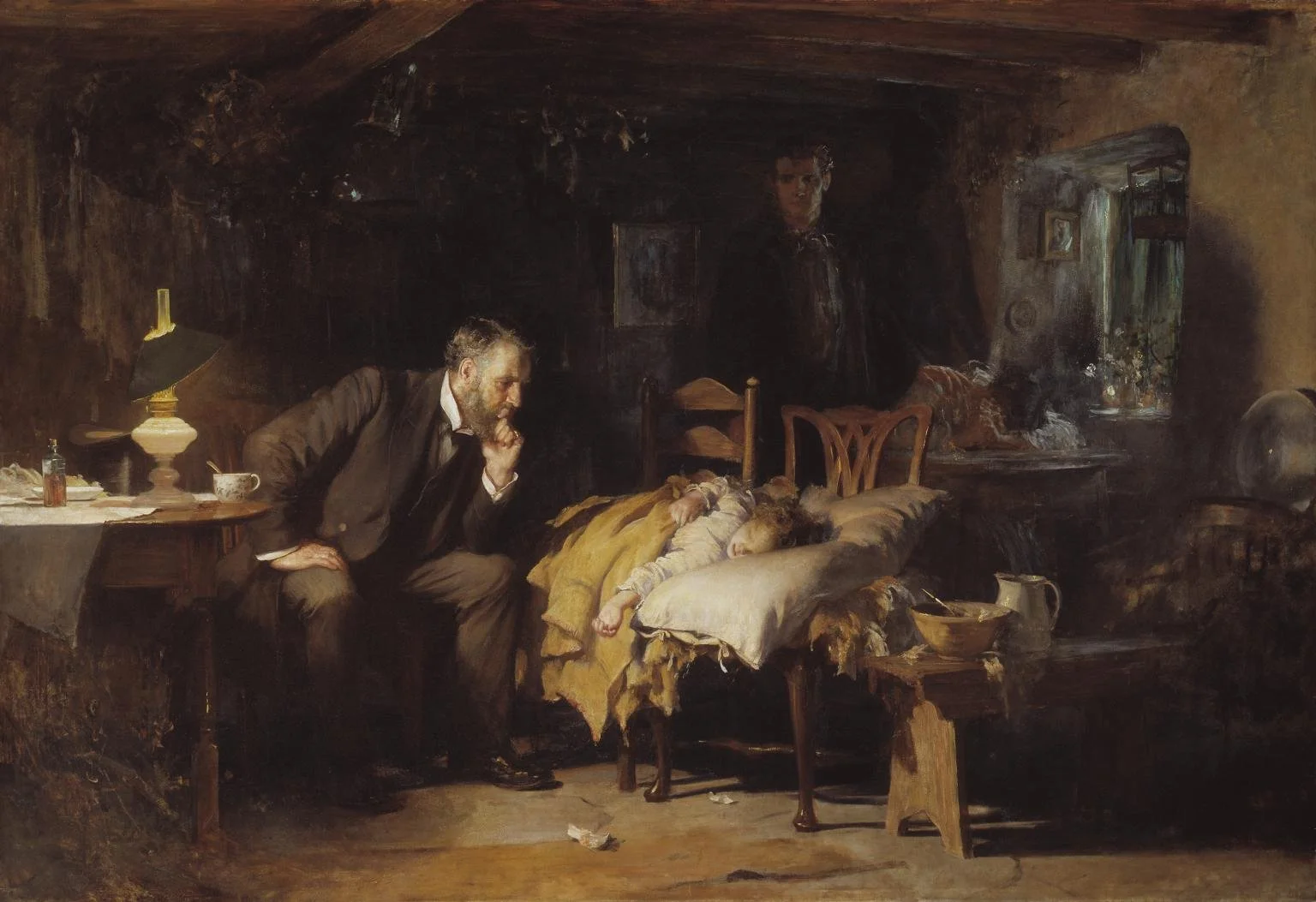

Key insightsHow would you define what a doctors is?
doctor (n.)
c. 1300, doctour, "Church father," from Old French doctour and directly from Medieval Latin doctor "religious teacher, adviser, scholar," in classical Latin "teacher," agent noun from docere "to show, teach, cause to know," originally "make to appear right," causative of decere "be seemly, fitting"
doctor (n.)
a person with a medical degree whose job is to treat people who are ill or hurt.
General OverviewThe practice of medicine is an art which combines the clinical and human dimension of care.
The arts resources on this page have been curated to help you explore the role of the doctor, how this has changed through time and what attributes and skills a good doctor should have. The resources can be used to learn about different medical specialities, consider how the role of the doctor is portrayed in art and how this relates to your experience of working in medicine and reflects contemporary professional standards.
Pictures Here is a selection of paintings I use in my teaching to provoke discussion about the role of the doctor.
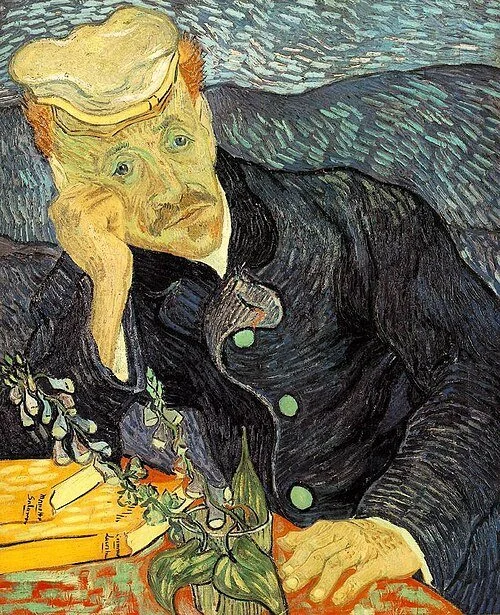
Portrait of Doctor Gachet, Vincent Van Gogh (1890)
What does a doctor look like?
The most famous painting in Western Art depicting a doctor at work is Sir Luke Fildes’ The Doctor. (reproduced above) You can find out more about his painting on the next page.
This painting by Van Gogh is of his doctor, Dr Gachet.
Dr Gachet provided care to Van Gogh in his final illness, and this portrait was painted only weeks before the artist killed himself. Van Gogh is said he wanted the image of the doctor to have a sensitive face, one that is sad but gentle, clear and intelligent.
In the Christmas BMJ 2025 GP, an article by Sati Heer-Stavert was published that considered whether AI generated images of doctors reflect the diversity of the medical work force.
What does a doctor look like? Asking AI.
What do you think a doctor looks like?
In the 21st Century it’s not possible to tell just by appearance which of the many professions the person providing patient care belongs to, this makes it even more important for every contact to start with a formal introduction ‘hello my name is and I’m your doctor/nurse/physio/physician’s associate’.
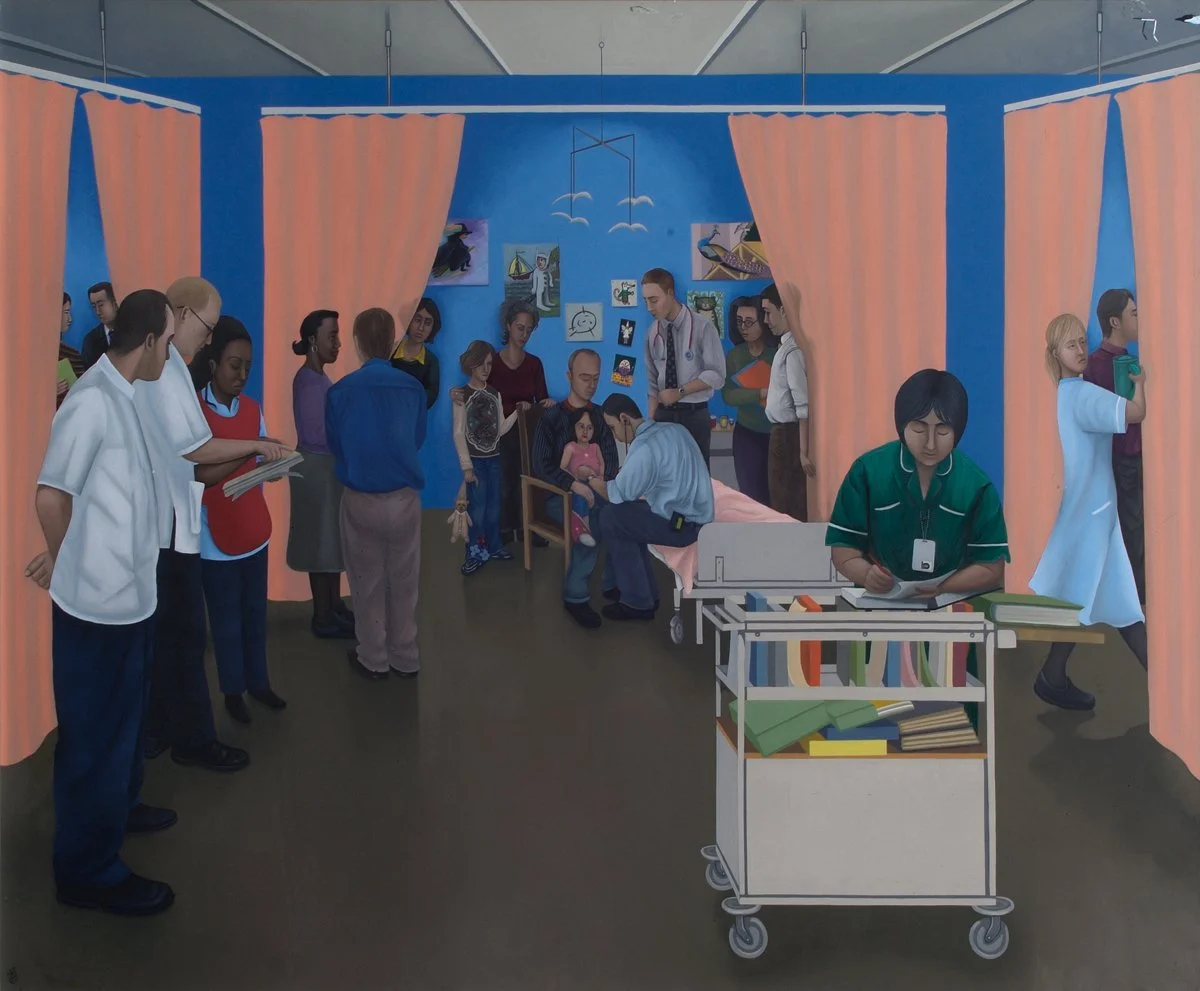
The Ward Round, Simon Black (2002)
Hospital Medicine
In 2001 the Royal Free Hospital commissioned Simon Black to paint six pieces depicting all aspects of hospital life. These paintings are now on display in the hospital’s Atrium.
I use this painting to discuss: the role of the doctor and other healthcare professionals, the challenges of being a medical student on the ward, the patient and carer perspective of hospital care and the transition doctors in training make from hospital medicine to primary care.
Where are you in the picture?
Choose a health care worker in the picture and describe their role and how you think they might be feeling?
Think about the painting from the perspective of the patient and her family.
You can see more of Simon’s work on this link, Royal Free Collection
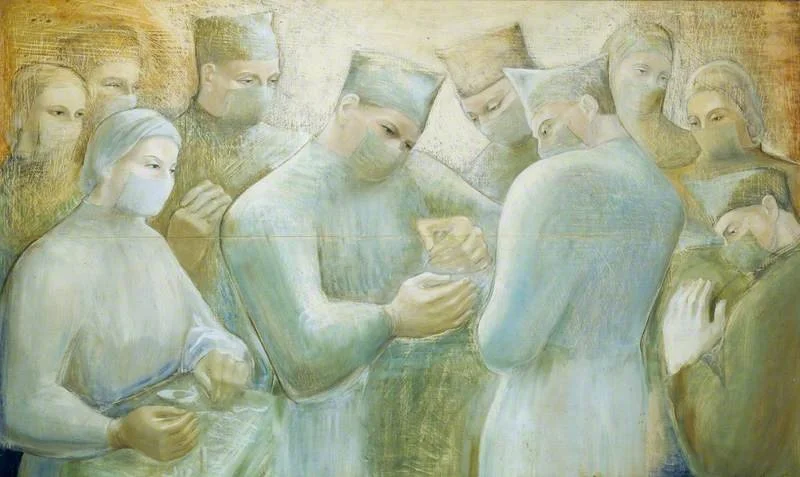
Concourse II, Barbara Hepworth (1947)Image Credit The Royal College of Surgeons
Surgery
English sculptor Barbara Hepworth accepted an invitation to visit a hospital operating theatre and study surgeons at work. Her interest in surgeons’ work had been triggered by seeing her daughter Sarah hospitalised for the bone infection osteomyelitis. As Sarah lay swaddled “in plaster of Paris from head to toe”, Hepworth realised that many of the skills used by surgeons were ones she used in her work as an artist. On of the surgeons, Norman Capener initially termed the project “a grim idea” – a little like a courtroom artist live drawing brutal crime scenes. But the project resulted in 70 drawings which are now a revered body of work. Many of the drawings are exhibited in galleries around the UK, including one in the Hepworth in Wakefield which sits alongside some of her great sculptures and a narrative of how she created her work.
Read more about her work in this Guardian review
Look at the picture Simon Black painted on a similar theme in the Royal Free Collection.
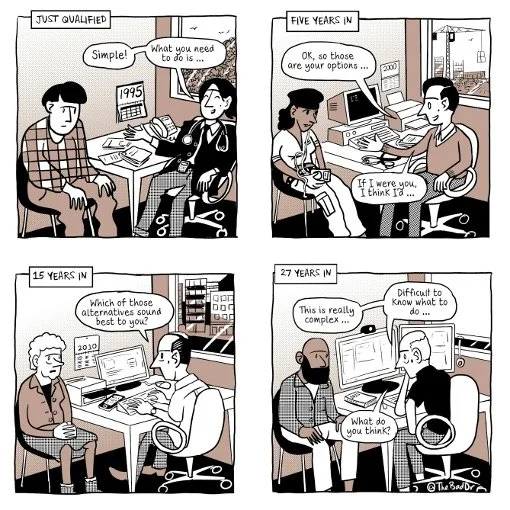
Changing Advice, Ian Williams, Exhibition - Sorry to Keep you Waiting -Wellcome Collection
Consulting
Where are you on this career path?
Look at the other graphic art produced by Ian Williams, he has published several books which are great resources in education.
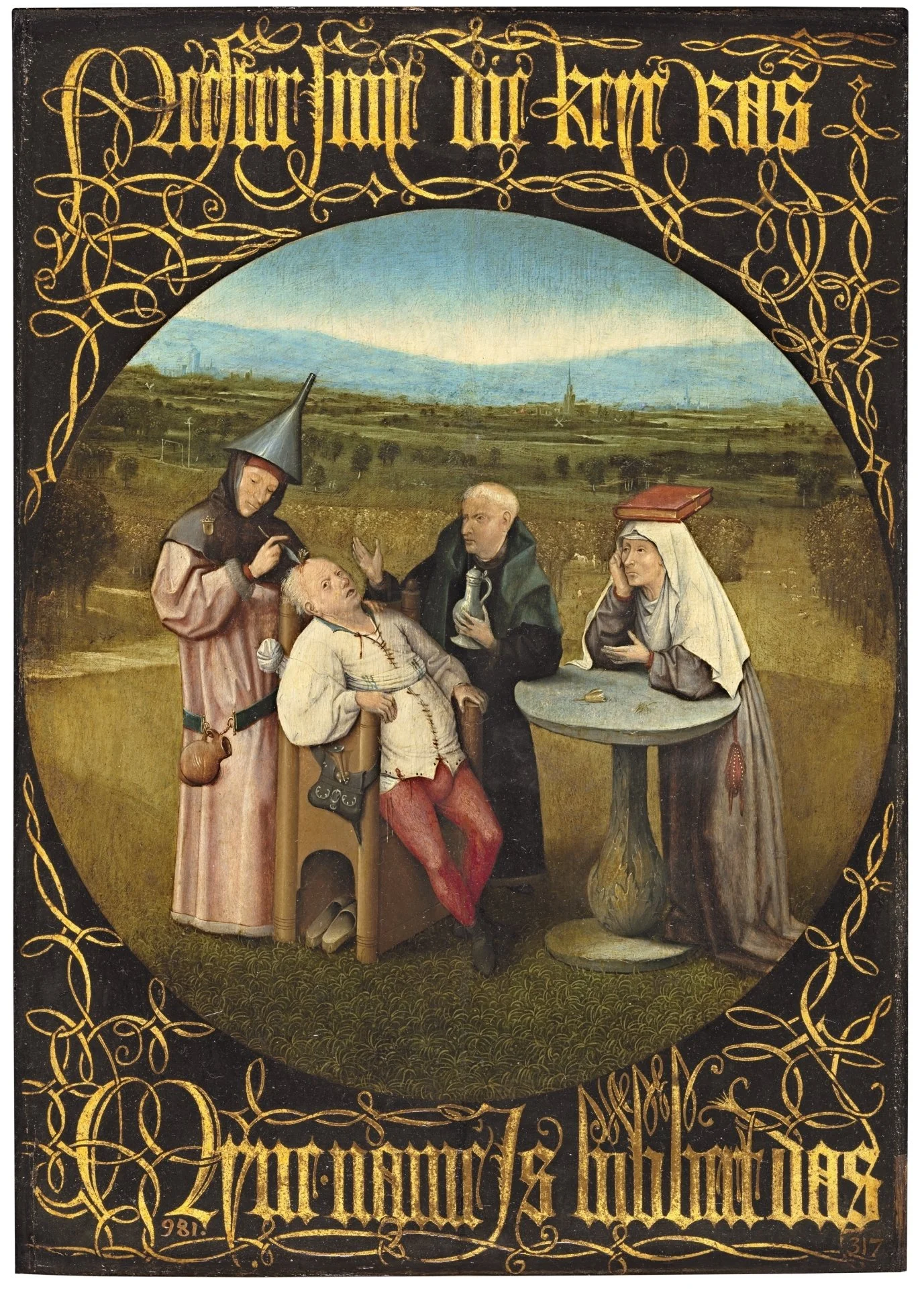
The Extraction of the Stone of Madness, Hieronymus Bosch (1502-1505) Museo del Prado (reproduced for educational use)
Historical Practice
This painting by Bosch is a good resource for discussing the ethical aspects of practising medicine and to reflect how medicine has changed. It provokes the question ‘what do we do now in medicine that in the future we might think of as barbaric and unscientific’?
What is happening in the picture?
What is the man with the funnel on his head doing? Is he a doctor?
In the 15th Century, it was not uncommon for individuals suffering from a learning disability or mental health problem like psychosis to have their skull trephined supposedly to allow the evil spirit (stone of madness) to leave the body. The practice was barbaric and usually resulted in the patient’s death. Bosch painted this picture as an allegory. He is making fun of the ‘doctor’ by depicting him wearing a funnel, implying that this is not the practice of science but of deception and that the doctor is only motivated by money. The other objects in the picture have symbolic meanings – think what these might be before you ‘Google’ the answers.
More Visual Art Resources
These are other paintings and drawings I use in my teaching about the role of the doctor. You should be able to find all of them on the internet, or in a book, or maybe by visiting the museum where they are displayed.
The Three Oncologists Ken Currie (on display at The Scottish National Portrait Gallery)
The Healer Magritte
Another History of Women Doctors, Laurie Charles (2022)
Women in Healthcare, Leon Zernitsky (2021)
There were many pictures posted on social media about the role of the doctor during COVID. Take a look at the page on infectious diseases to look at these.
There are also many useful images to discuss the role of the doctor on other pages of this site, the ones shared on the pages ‘Patient and Doctor’, Illness and Compassion.
Use the ‘contact me’ form to share any resources you have found that help you understand your work as a doctor.
Poetry There are many poems written about doctors and by doctors about their work.
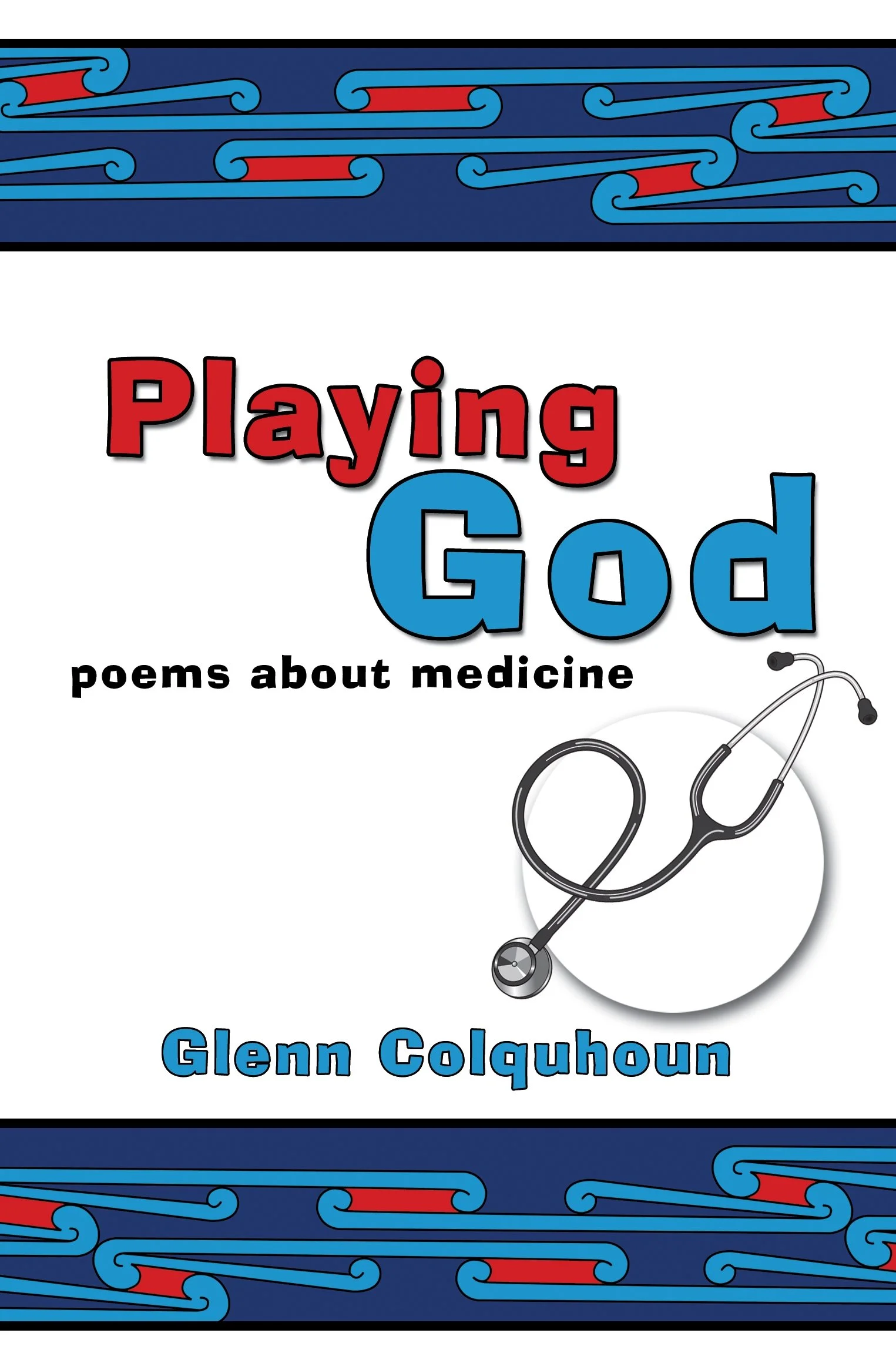
Today I do not want to be a doctor
If you buy one book to use as a resource for your teaching, I’d suggest this anthology of poems by Glenn Colquhuon, a New Zealand GP. There is something meaningful to read and discuss in each poem.
This poem always provokes meaningful discussion when I use it in teaching.
More Poetry
These are other poems I have used to discuss the role of the doctor:
Myths, Glen Colquhoun
The Doctor, Alan Herbert
Superwoman, Julia Meade
Junior Doctor’s Learning Log, Karen Schofield
Doctors, Anne Sexton
Did you know that every medical student who has qualified in Scotland since 2014 has been given a copy of the poetry anthology ‘Tools of the Trade: Poems for new doctors’ Take a look.
Stories in books, films and tv dramasMany clinicians write stories about their medical work. Some are shared, published in books or captured on film, and because the stories are entertaining and informative they appeal to the public. Some stories highlight the challenges doctors face in their day-to-day work while others provide humorous anecdotes; all become part of the historical record of medical care.
Why do you think doctors write about their experiences of work?
It is very common for literature and film to have a medical theme and for the lead protagonist to be a doctor.
What stories have you read or watched that feature a doctor as the lead character?
What did you learn about the role of the doctor?
The students I work with are encouraged to spend time looking at art that depicts the role of the doctor and select their own resources to write about. I’ve included some of their selections in the resource lists below.
General Practice
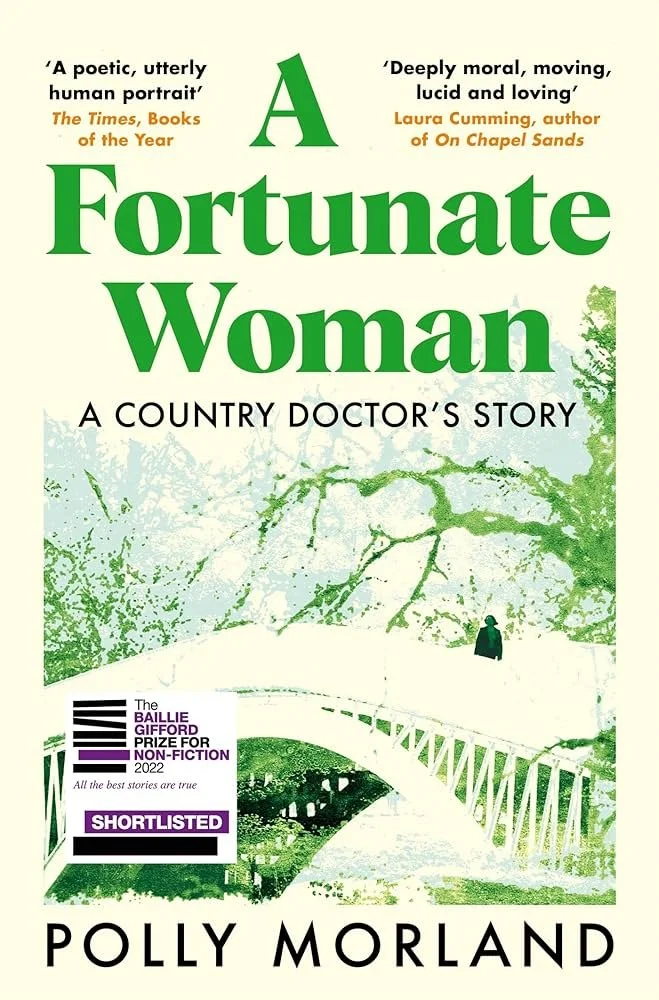
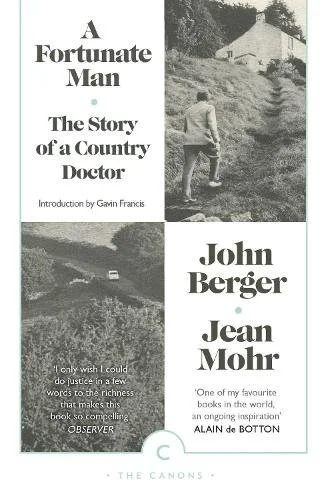
When I’m teaching my focus is usually on helping learners develop skills to work in Primary Care. I often use excerpts from Polly Morland’s book, The Fortunate Woman; she reflects what General Practice can be at its best, capturing its essence. ‘A Fortunate Woman’ might be described as a contemporary sequel to John Berger’s 1967 book A Fortunate Man- The story of a country doctor as it’s set in the same Welsh Valley and focuses on the work of the current GP at the same surgery.
As a GP Trainee I learnt about working with patients from John Berger’s book, but Polly’s book reflects the values I held during my clinical career and interestingly because she chose not to name the doctor in her book I felt she was talking more generally about the essence of being a GP and the writing made me feel seen.
Here is a passage about the complexity of working as a GP that I use in my teaching.
‘These are the intellectual acrobatics performed by general practitioners dozens of times a day. Invisible to the patient- who merely sees the smile, the nod, the careful attentiveness- a complex cerebral exercise is infolding behind the scenes. This involves sifting and ranking the range of possible outcomes, balancing risk against another, from petty to dire, then feeding into the equation the patient’s medical and personal history, their stated wishes likely individual behaviours (which may not be identical), before finally determining the best course of action. In the early years of being a doctor this feels like having two heads, but with time and experience, the algorithm smooths and speeds up to become more intuitive. Which is not to say that the doctor won't sometimes wake in the small hours and worry whether she's got calculation right. That is the nature of the job.
Speciality Training
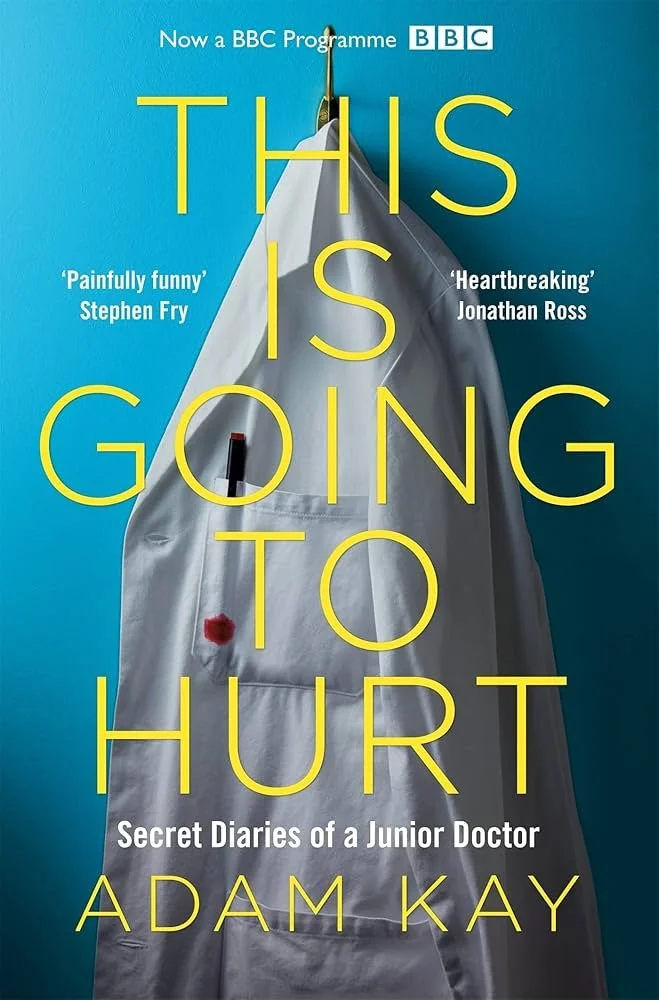
Both Adam Kay’s book and the TV series are a great resource for prompting discussion about working as a resident doctor in training in the secondary care environment.
Here is a good review of the series by a second-year medical student.
In the 1990’s while I was training to be a GP, I saw my world as a junior doctor in hospital reflected in a similar TV series called Cardiac Arrest. It was empowering that one of the lead medics was played by a woman.

Name, Artist, Date
An Historical Perspective
Set in the 1930s,The Citadel (also dramatised as a film and radio play)follows the life of Dr Manson who as a newly qualified doctor starts his working life in a small Welsh mining town. Manson’s medical training has not prepared him to cope with the role of GP, anaesthetist, surgeon, obstetrician, and public health doctor working in an isolated rural community. Manson is very critical of the system in which he is required to work, the poor collaboration between colleagues and the lack of incentive for doctors to keep up-to-date.
Of his colleagues Manson writes, ‘as it was, they had no unity no sense of cooperation and little friendliness amongst themselves. They were simply set up, one against the other, in the ordinary competitive way existing in General Practice all over the country, each trying to secure as many patients for himself as he could. Downright suspicion and bad feeling were often the result.’
Manson worked for a voluntary contribution medical association which is based on the Tredegar Medical Aid Society and which in due course became the inspiration for the National Health Service, established under Aneurin Bevan.
Cronin was a doctor and much of this story is drawn from his own experiences. He eloquently explores the ethical challenges and moral dilemmas faced by GPs of the time. Much of his commentary is currently topical and relevant to practising medicine in the 21st century.
Women in Medicine
Women have only been allowed to study medicine in the UK since 1876 but now make up more than 50% of medical school student population, despite this they remain underrepresented in the role of a doctor in all art particularly in film and TV dramas.
In a recent study looking at movies produced between 1990-2020 that referenced doctors in their plot summaries, keywords and credits only 18% of characters that were doctors were women.
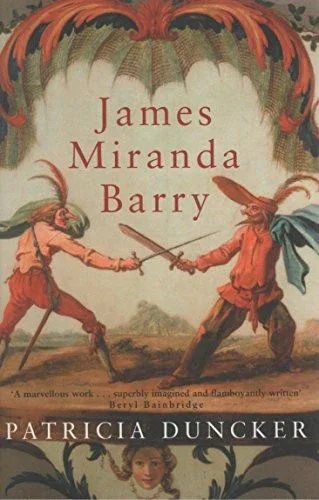
Prior to 1876 women chose to take up other medical professions such as midwifery or nursing and some practised illegally. Others decided to live their life in disguised as a man, the most notorious being Margaret Anne Bulkley. Born Cork in 1789, Margaret lived her entire adult life as James Barry so she could study medicine at Edinburgh University, qualifying as a doctor in 1813. They spent their life working as a military surgeon in the British Army, serving in many countries across the British Empire. It was only on their death in 1865 that Barry’s birth gender was discovered. You can read their story in the novel by Patricia Dunker.
Doctors as Role Models
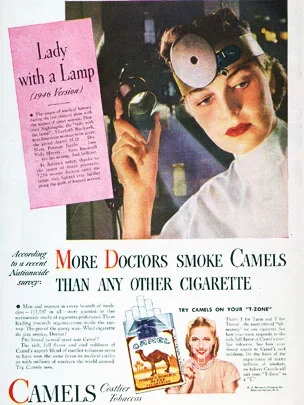
The ability of doctors to influence behaviour and attitudes extends beyond the hospital and consulting room as illustrated in this advert from 1946. There are numerous images of doctors in adverts promoting smoking. At the time, the doctors probably thought they were being a positive role models.
Many doctors now use social media to connect with colleagues, educate the public, promote their opinions and share expertise. Their status as medical influencers as resulted in professional guidance on this subject being published by defence organisations. This is a good topic for a tutorial or small group learning session.
What is a good doctor and how do you make one?
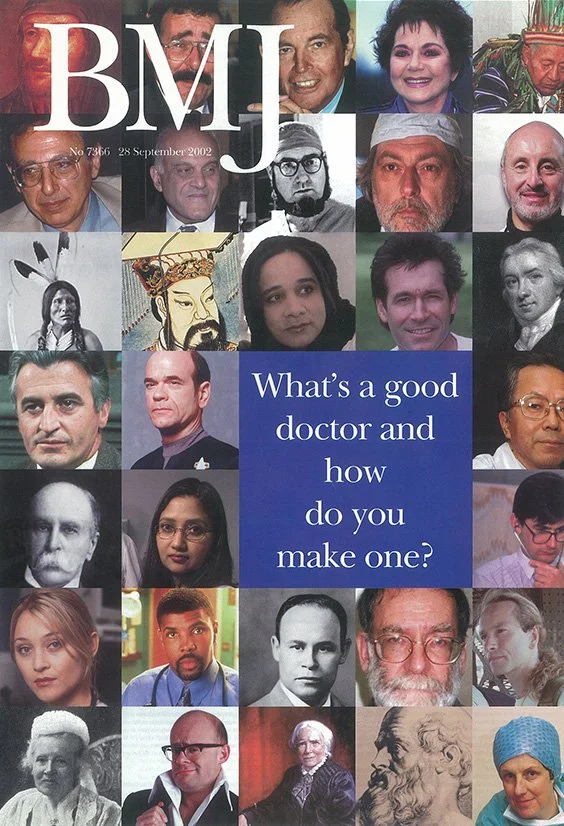
In 2002 the BMJ published a series of articles asking this question.
Can you answer this question?
Do you recognise any of the doctors on the front cover?
You may be old enough to recognise Harold Shipman who is infamous for being the UK’s most prolific serial killer. It is thought that Shipman killed over 250 of his patients. After his prosecution an inquiry was launched. The inquiry investigated the circumstances of each known death and the systemic failures that allowed his crimes to occur. The final reports led to significant changes in medical practice and regulation in the UK, including reforms to death certification procedures and the General Medical Council's disciplinary processes. The inquiry also heard from the families of victims, and it was a common observation that Shipman presented as a kind and caring doctor who was generally well-liked and trusted by his patients and community.
Resource library - Books (stories by doctors and about doctors)These books are all great resources to explore the role of the doctor.
-
On the back of my copy is says ‘In this quiet revolutionary work of social observation and medical philosophy, the Booker prize-winning writer and the photographer Jean Mohr train their gaze on an English Country doctor and find a universal man- one who has taken it upon himself to recognise his patient’s humanity when illness and fear of death have made them unrecognisable to themselves.
-
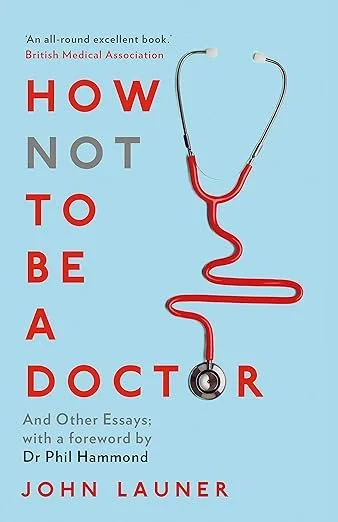
A collection of fifty of John Launer’s essays that have been featured in his medical columns. As it says in his introduction, they set out an argument that being a doctor- a real doctor- should mean being able to draw on every aspect of yourself, your interests and your experiences, however remote these may seem from the medical task of the moment. The book reinforces how much we learn from stories.
-
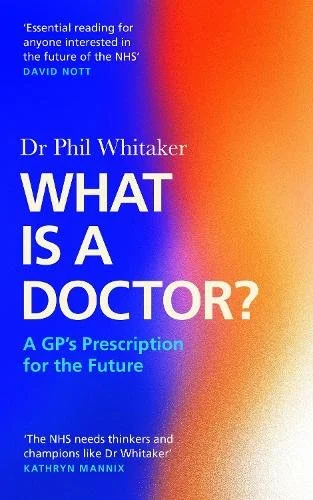
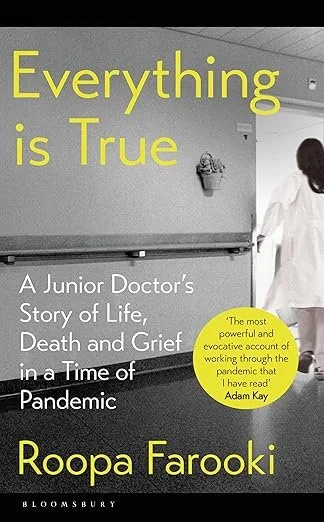
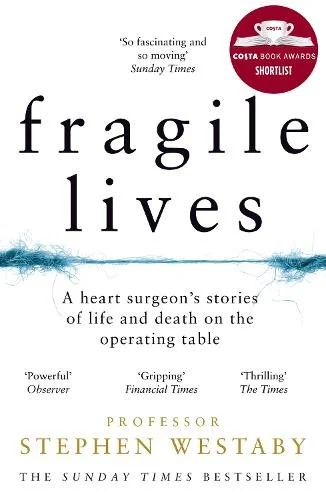
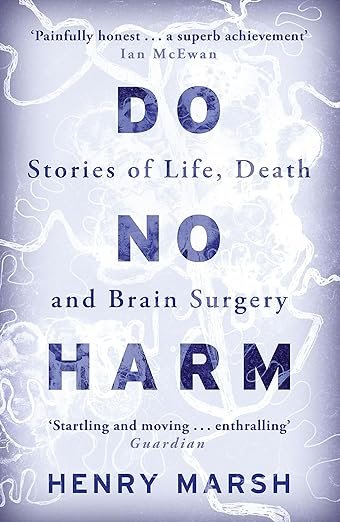
This is a great read and there are many useful passages to use in teaching.
-
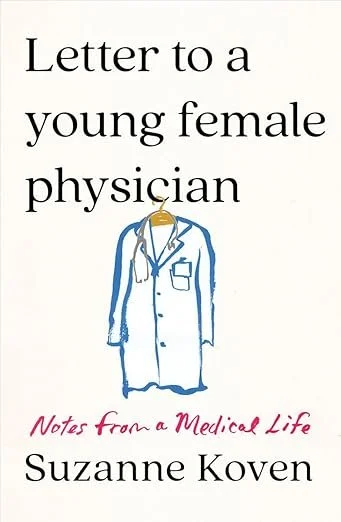
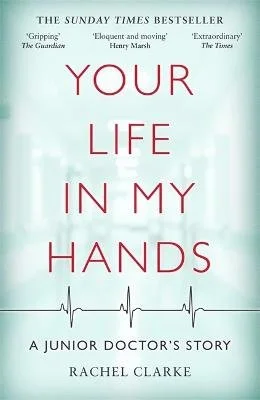
This is in my pile of books to read in 2026. It was recommended.
-
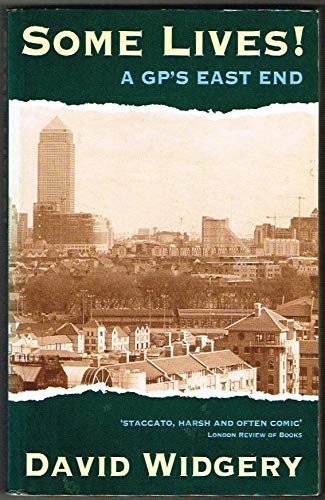
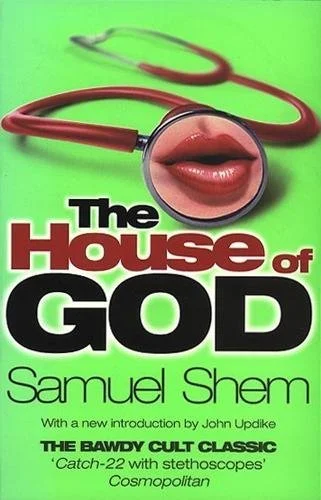
An account of working as a GP in the East End. Set in 1992 but the book is still relevant and useful.
-
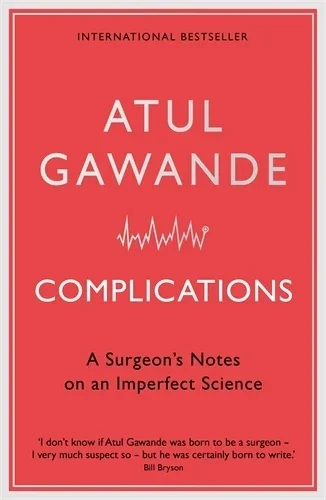
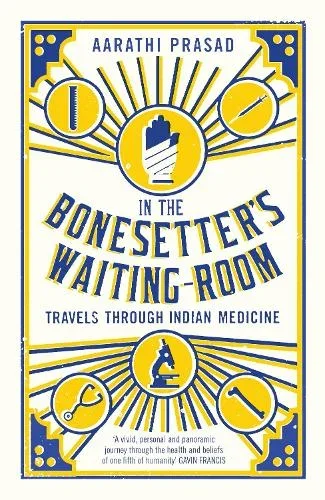
Published in 1978, there are some useful passages to use in teaching P170-171.
films and TV series about doctorsCarry on Doctor 1970’s TV drama with some good clips showing how not to be a caring doctor especially the one on YouTube called ‘The Bleeding Time’. Usual to contrast this with a modern TV Drama.
Cardiac Arrest 1990’s BBC Drama Series
Patch Adams 1998
Mr Bean is a Doctor 1990s
Wit Film 1999 (recommended scene: the surgeon informs the main character played by Emma Thompson of her diagnosis. This can be viewed on YouTube and is an excellent example of how not to break bad news and the importance of using the correct words)
Doc Martin 2004 ITV Drama
Doctor Foster 2015 TV Drama
Casualty Long running BBC TV Drama
Unforgotten Love 2023 Polish Netflix Film
The Doctor 1991 (A recommended scene to use in education is when the surgeon invites his students to undergo the investigations they order for their patients)
There are numerous American TV Dramas including; ER, Greys Anatomy, Scrubs and House.
You can usually find good clips from these films and TV Dramas on YouTube to use in teaching.
Do you have any recommendations?

prompt Now it’s your turn…
Take a photo or draw a picture of yourself at work. Spend a few minutes looking at what you see.
How do you want to appear to your patient and colleagues?
What sort of doctor does your patient see when they look at you?
Using these resources in teaching I use these resources regularly in seminars with doctors and arts professionals. I share the resource and invite discussion. It’s sometime useful to suggest a few moments of personal reflection first, and to ask participants to share their observations with a neighbour so everyone gets a chance to speak.
Here are some more suggestions.
UK Guidance about the role and duties of a doctor
page updated January 2026