
Medical ThemeDeath
introduction“She philosophically noted dates as they came past in the revolution of the year. Her own birthday, and every other day individualised by incidents in which she had taken some share. She suddenly thought, one afternoon, that there was another date, of greater importance than all those; that of her own death; a day which lay sly and unseen among all the other days of the year, giving no sign or sound when she annually passed over it; but not the less surely there. When was it?”
Thomas Hardy, Tess of the D’Urbervilles
The art on this page has been curated to link to 5 questions:
What can we learn about death from how it is represented in art?
How do we talk about death?
What is a good death?
What might end-of-life care in the future look like?
If you provide care for someone who is dying, how do patients see you?
General OverviewDr Kathryn Mannix is a leading expert on dying and death. She is on a mission to reclaim public understanding about dying.
She says,
Death is a subject that causes anxiety and awkwardness amongst many people, and is often ignored as a topic of conversation.
It’s a simple truth: We all die
It’s a complicated truth: we all fear dying, and we all fear it in different ways, according to our individual circumstances and life experiences.
And yet… Dying is a bodily process. Just like pregnancy and birth, it has recognisable stages as it proceeds. We can recognise the progress of life-limiting illness; we can predict, less reliably early on yet with increasing accuracy as death comes closer.
Often, dying people and their families remain unprepared because our fear about death has become a fear about even mentioning dying.
Maybe the arts resources on this page will help you embrace Kathryn’s aims to better understand and prepare for death, with our patients, loved ones and ourselves.
What can we learn about death from how IT is represented in art? 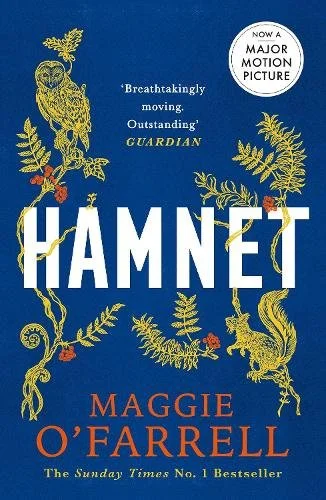
Hamnet, Maggie O’Farrell
Shakespeare
Many of Shakespeare’s plays explore death.
Shakespeare wrote Hamlet after his young son, Hamnet died, possibly of bubonic plague.
In her novel Hamnet (also a 2026 film) Maggie O’Farrell tells the imagined story of Shakespeare’s family life and the creation of the play, Hamlet. We learn about the brutality of birth, the suffering of illness, the tragedy of death and the pain of grief, all woven together with the joy of nature, family life and friendship.
Here is the moment of Hamnet’s death.
‘Agnes bends forward to touch her lips to his forehead.
And there, by the fire, held in the arms of his mother, in the room in which he learned to cruel, to eat, to work comment to speak, hamlet draws his last breath.
He draws it in, he lets it out.
Then there is silence, stillness. Nothing more.’
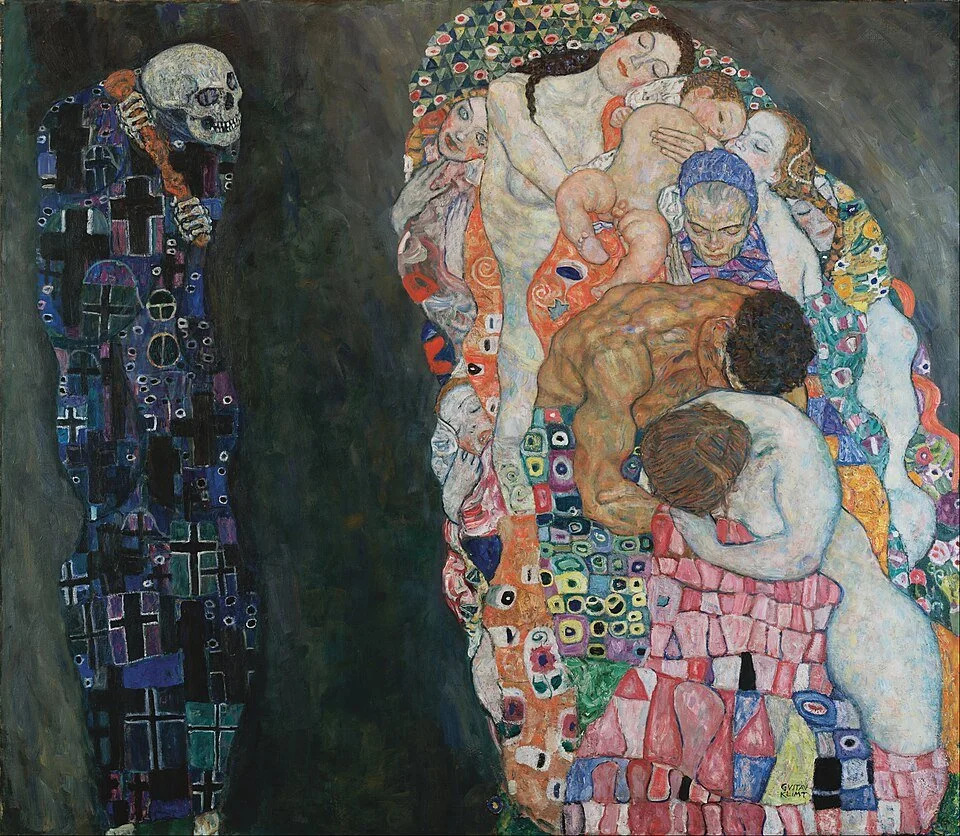
Death and Life, Gustav Klimt (1915) Image in Public Domain
How have you seen death depicted in art?
Have you noticed that death is often personified and portrayed as something sinister?
What impact do you think this has on people when they are contemplating their own death or that of a loved one?
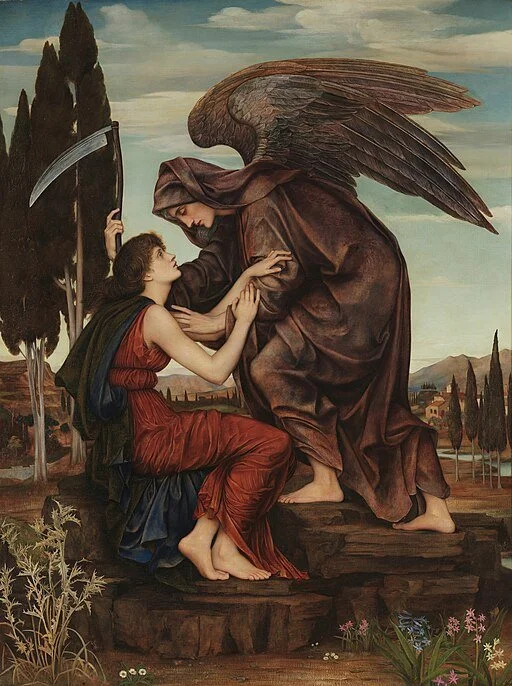
The Angel of Death, Evelyn De Morgan (1881) Image in the Public domain
Symbols of death
Across the world and throughout time people have used symbols in art to represent death. They help the living to recognise death but they may also be used to help us distance ourselves from death and its reality.
In this painting death is represented by an angel.
What other images or symbols of death have you seen in art?
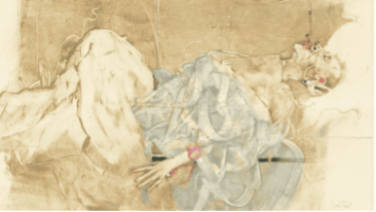
Intubated, Giancarlo Vitali Image from Artemedicina
Medicalising death
Death often occurs in hospitals where the use of life-saving equipment can detract from the natural process of death.
This image is one of a collection, Medical Records, by Giancarlo Vitali. More of his work can be found on the website Artemedicina.com
The image reminds me of this quote.
‘For those who live neither with religious consolations about death nor with a sense of death as natural, death is the obscene mystery, the ultimate, affront, the thing that cannot be controlled. It can only be denied’. Susan Sontag
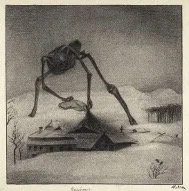
Epidemic, Alfred Kubin (circa 1900-01 Image) Screenshot from Sotherby's reproduced for educational purposes.
Death is not always an individual experience
In this image death is portrayed as an evil that ‘visits’ whole communities.
This image reminds me of the book, The Plague by Albert Camus and ‘The Last Town on Earth’ by Thomas Mullen.
Epidemics, pandemics, natural and manmade disasters, climate emergencies, famine, and war all cause death on a larger scale. You can find more resources to explore these issues on other webpages.
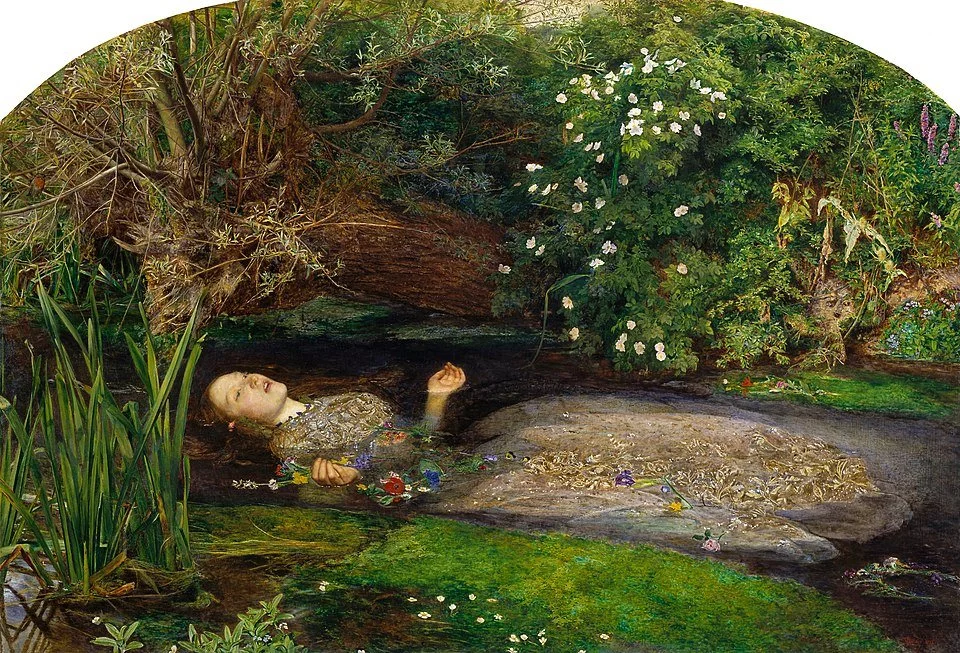
Ophelia, John Everitt Millais (1851) Image in Public Domain
Death portrayed in the beauty of the natural world.
What do you see?
How does it make you feel?
What do you think the artist was trying to communicate?
The subject of the painting is Shakespeare’s character Ophelia, who commits suicide after discovering her lover, Hamlet has killed her father. The creation of this picture by Millais was not without drama as his model Elizabeth Siddal nearly died from exposure after posing for hours in an inadequately heated bath of water.
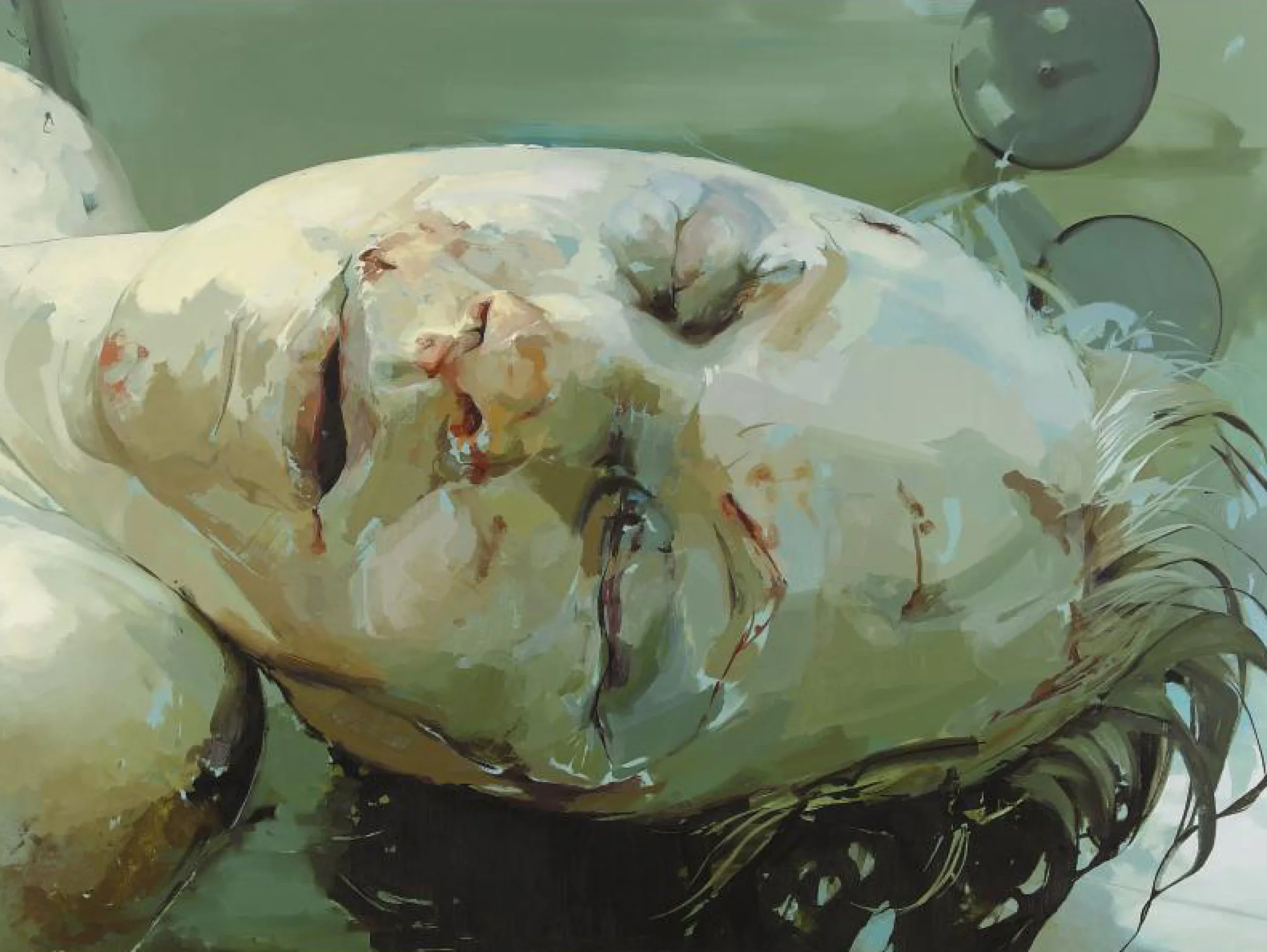
Still, Jenny Saville, 2023
Dead
The painting ,Still by artist Jenny Saville was selected by Jasmin, Year 2 medical student at Hull York Medical School as part of a Student Selected Special Interest Project.
She said,
This painting presents an unfiltered portrayal of death through a distinctly medical lens. I believe works such as this encourage inner questioning of the doctor–patient relationship.
It’s on display in New York at The Met and this is their accompanying text.
Still is based on a photograph of a woman's head in a morgue. Her matted hair, like the sagging flesh of her face, falls to one side, pulled downward by the force of gravity. The whole is cast in a beautiful but eerie blue light, and the two round forms at the upper right, presumably examination lights, add a haunting note.
How do we talk about death? What words about death and dying do you use in your conversations with patients?
What words do you hear your colleagues use and what do you hear used in the media?
In the UK we are often reluctant to use the words dying, death and dead. Is there a reason for this?
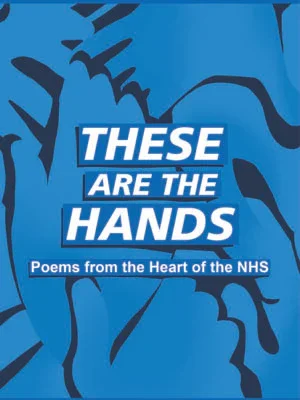
Rachel McCoubrie, a Consultant in Palliative Medicine reflects this beautifully in her poem which is published in the wonderful anthology of poems, These are the Hands- Poems from the Heart of the NHS. This book is a great resource for anyone wanting to use poetry in their teaching and learning.
Not everyone reading this page will understand Rachel’s reference to Jim’ll Fix It. I’ve not included the poem to perpetuate the horror of his abuse of power but because the poem is important and useful in teaching and the reference to ‘Jim’ acts as a catalyst to discuss how we might maintain high standards and trust in patient care.
Ask your learners to read the poem and consider these questions:
Do they recognise any of these descriptions of death being used in a clinical setting?
What other euphemisms are they aware of or maybe use themselves?
How might phrases like ‘we have lost her’ or really poorly be interpreted by relatives, especially young children?
The D Words
by Rachel McCoubrie
Published in These are the Hands
The ‘D’ words
Let’s just say Jim didn’t fix it.
She’s toast, brown bread;
Bought it, croaked it,
Pegged it, snuffed it.
Any of these, but don’t say dead…
With the angels now
Passed on, passed over,
Gone to sleep,
At peace, we’ve lost her,
Pushing up daisies,
Living in a box.
She’s kicked the bucket,
Got wings and flying,
Thrown a seven,
Gone to heaven,
But nobody ever said dying….
Deteriorating, crook, unwell,
Going downhill,
Paid her final bill,
On a one-way track,
No way back.
Poorly,
Really poorly,
Really, really poorly,
Going to get better surely?
Quite unlikely to recover,
It’s getting serious now my lover.
She’s struggling to catch her breath
But let’s not talk about death…
Euphemisms and clichés
What trite we all say.
Death, Dying, Dead
They’re easily said.
We know what they mean
When we’re setting the scene;
So just use the ‘D’ words instead.
What is a good death?‘What do you think is a good death, and how do you explore this with your patients?
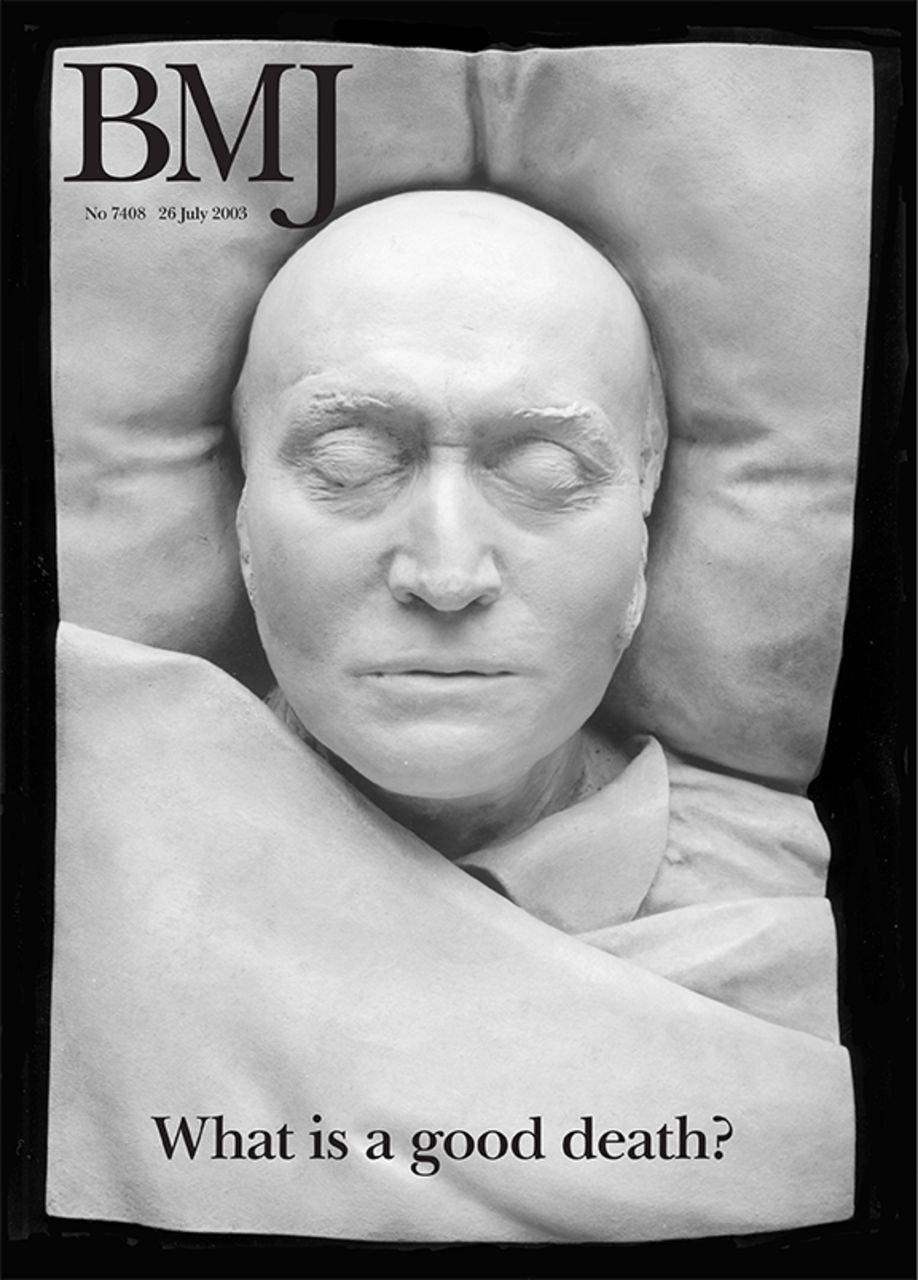
BMJ Cover 2003
Who decides what a good death is?
In 2003 the BMJ published a series of articles exploring this question, two decades later the subject of death is very much in the news as the debate about assisted dying is on the political agenda.
What the obstacles are to helping patients die with dignity?
Maybe the fear we hold about our own death is what inhibits us from talking more openly about what a good death is.
As clinicians we need the skills and language to be able to discuss death sensitively and help people make sense of what is going to happen in the context of their culture, health beliefs and traditions.
Julia Darling was a poet in the Northeast who used her poetry to help people manage illness, death and bereavement, to change the way that hospital systems and doctors deal with their patients, to break the mould, and to change the vocabulary. She also used her poetry to express her own experience of illness. Julia developed breast cancer and died from metastatic disease, she leaves behind a legacy of beautiful poems that you can explore in more detail on her website.
This is her final poem which speaks to me about a good death.
End
by Julia Darling
2009 Published in the collection Sudden Collapses in Public Places
Eventually, I was placed on a bed like a boat
in an empty room with sky filled windows,
with azure blue pillows, the leopard-like quilt.
It was English tea time, with the kind of light
that electrifies the ordinary. It had just stopped raining.
Beads of water on glass glittered like secrets.
In another room they were baking, mulling wine.
I was warm with cloves, melting butter, demerara,
and wearing your pyjamas. My felt slippers
waited on the floor. Then the door opened
soundlessly, and I climbed out of bed.
It was like slipping onto the back of a horse,
and the room folded in, like a pop up story
then the house, and the Vale. Even the songs
and prayers tidied themselves into grooves
and the impossible hospital lay down its chimneys
its sluices, tired doctors, and waiting room chairs.
And I came here.
It was easy to leave.
Music
Might there be a piece of music that evokes the feelings of a peaceful death?
Maybe it is The Armed Man, a Mass by Welsh composer Karl Jenkins, subtitled ‘A Mass for Peace’. The piece was commissioned by the Royal Armouries Museum for the Millennium celebrations, to mark the museum’s move from London to Leeds, and it was dedicated to victims of the Kosovo crisis.
What might you choose?
What might end-of-life care look like in the future?What role will AI play in end-of-life care?
How does science-fiction in art help us to imagine possible futures?
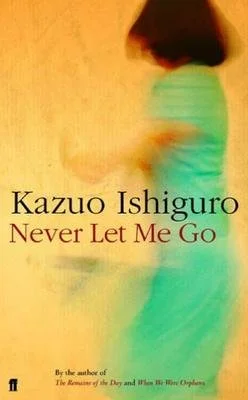
Never Let Me Go, Kazou Ishiguro
Science Fiction
Never Let Me Go takes place in a dystopian version of late 1990s England, where the lives of ordinary citizens are prolonged through a state-sanctioned program of human cloning.
The clones, referred to as students, grow up in special institutions away from the outside world. As young adults, they begin to donate their vital organs.
The clones continue to donate organs until they “complete,” which is a euphemism for death after the donation of three or four organs.
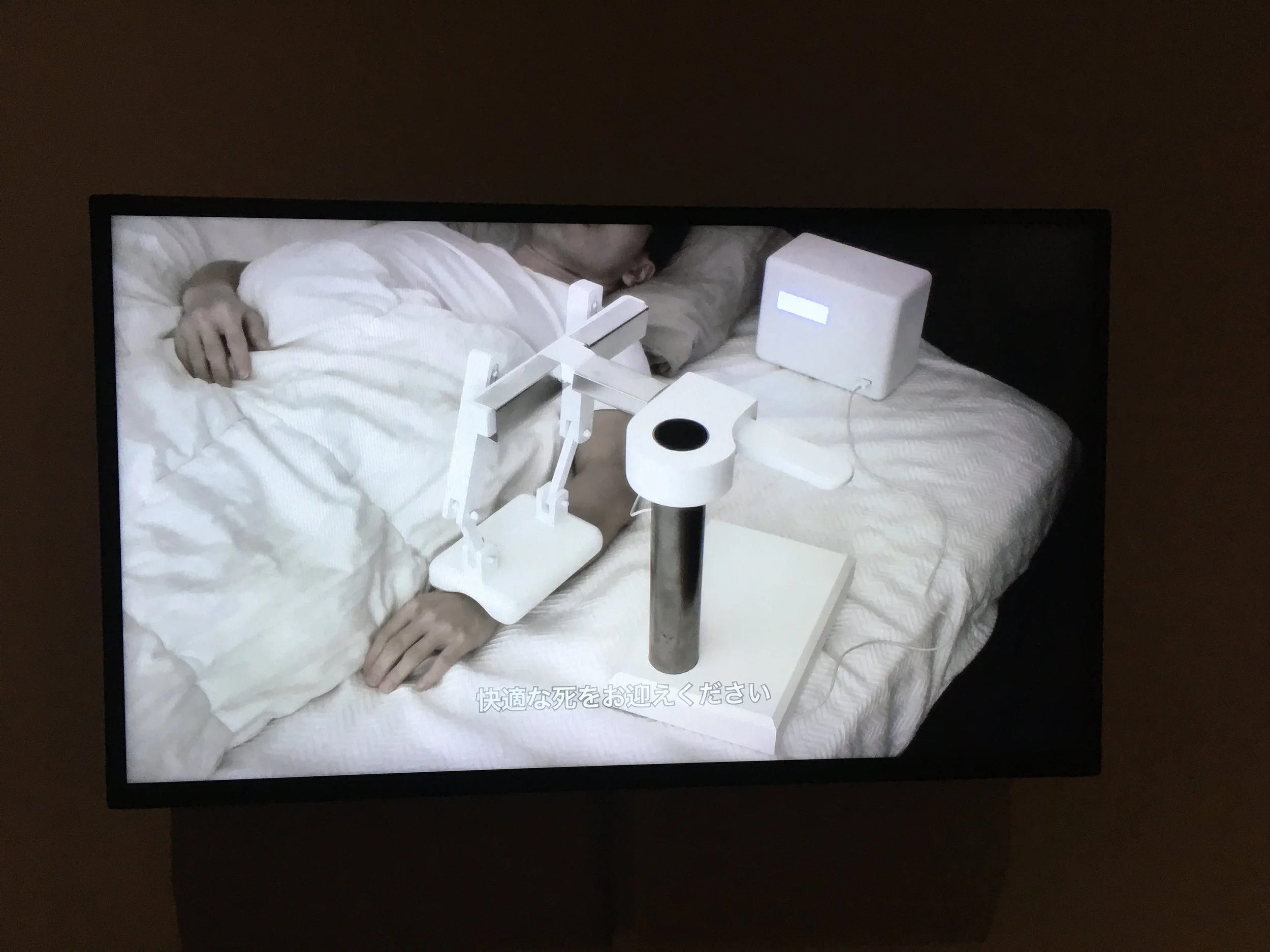
The End of Life Care Machine, Dan Chen, 2017 (my photo)
AI
I saw this installation in a museum in Japan and found it deeply disturbing.
How does it make you feel?
This is the information that accompanied the exhibit.
This robot with a simple form is comprised of sterile white design components. It is essentially a comforting massage machine. Its purpose is to attend to people who are on their deathbeds. When a patient is close to death his arm is placed under the robot massage apparatus that is positioned on the bed. The patient can then depart this world alone, while being comforted by words such as “I'm sorry that your family and friends are not able to be here with you, we hope you will have a pleasant afterlife.”
If you provide care for someone who is dying, how do patients see you? 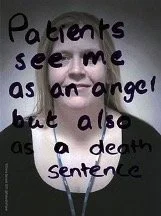
Photo by Emma Barnard
Providing care at the end of life
Read more about Emma’s work and this photo.
Reflections on Art, Voicelessness, and the Patient Experience.
More ARt resources Visual Art
The Dead Woman, Pablo Picasso (1903)
Poetry
My People and Hold out your arms by Helen Dunmore, written about dying and death, just before her worn death. Published in the anthology Beneath the Waves
Little Gidding, The Four Quartets, T S Eliot
The most beautiful poetic reflection on the fragility of life. Part V starts with these familiar words
What we call the beginning is often the end
And to make and end is to make a beginning.
More to come
-
The best £10 you can spend on a book of poems about the human dimension of medicine.
-
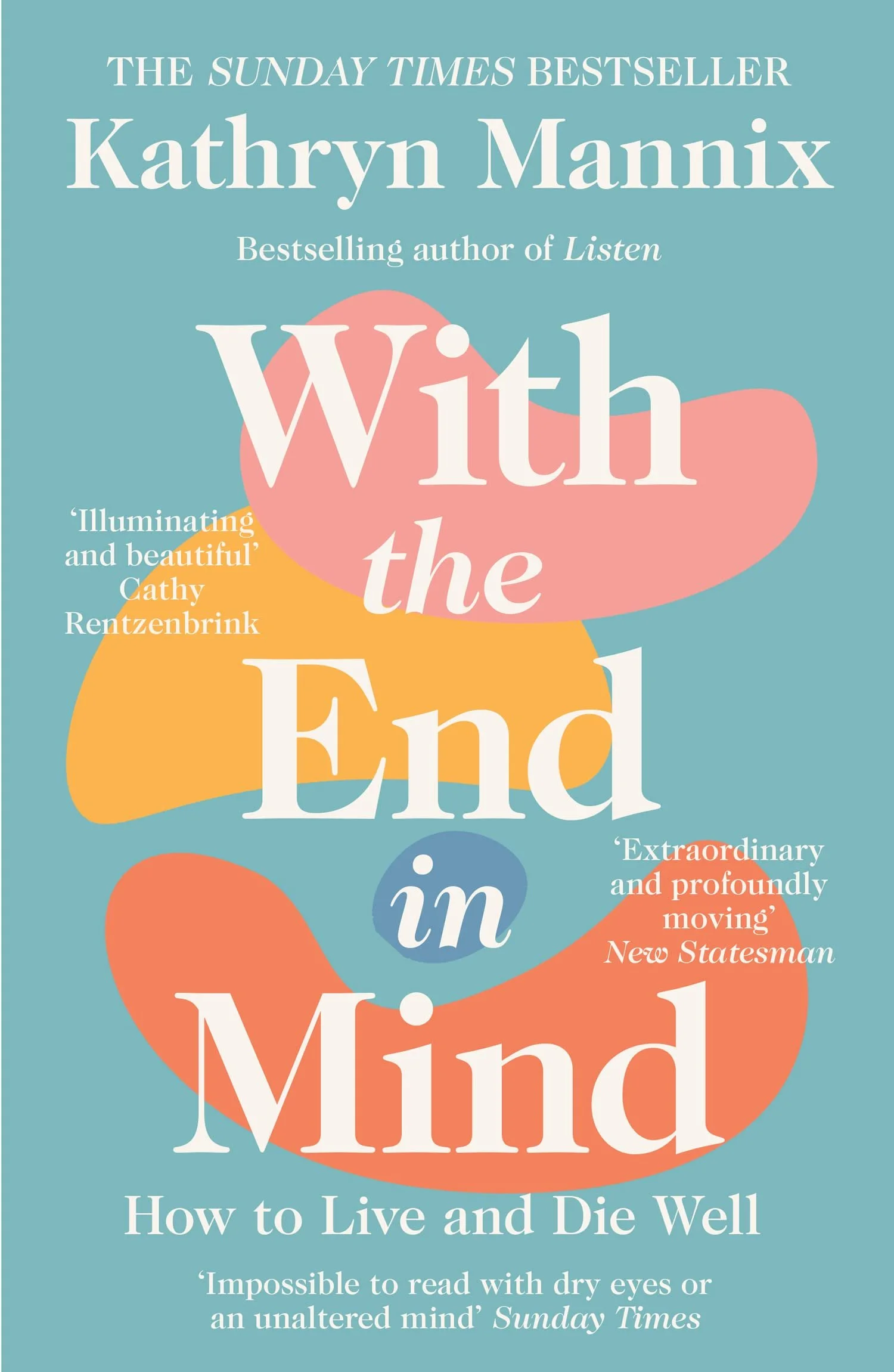
A great book to help you have better conversations with the dying and their loved ones.
-
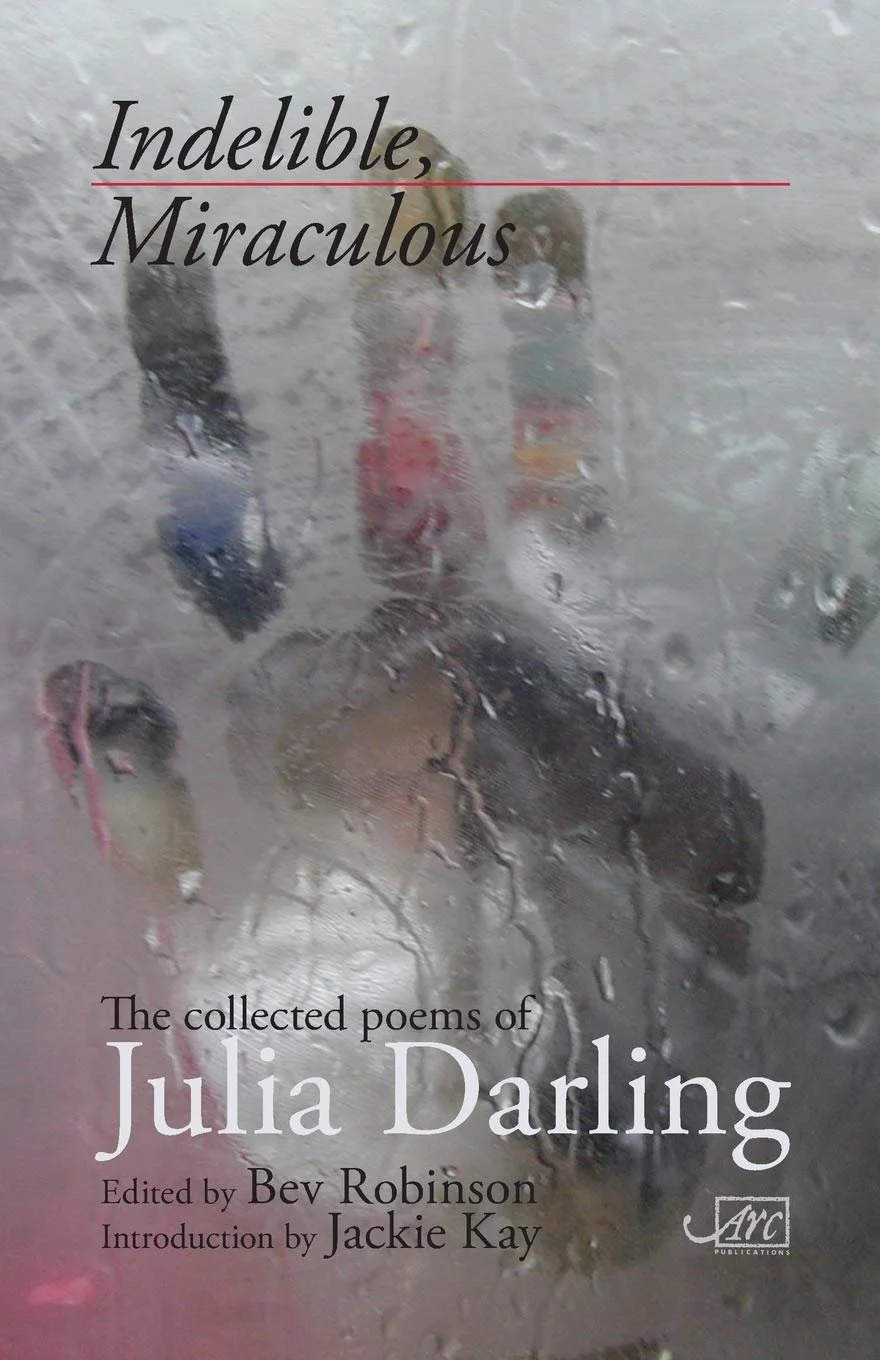
A wonderful collection of poems about living, being a patient and dying.
-
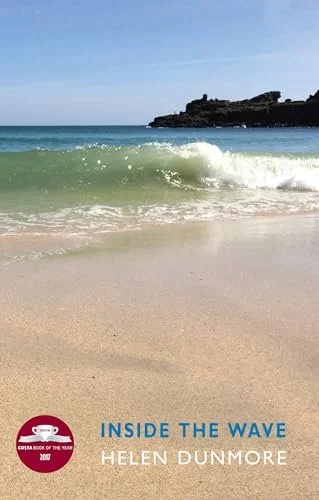
Helen Dunmore’s final book before her own death, a wonderful collection of poem about the end of life.
-
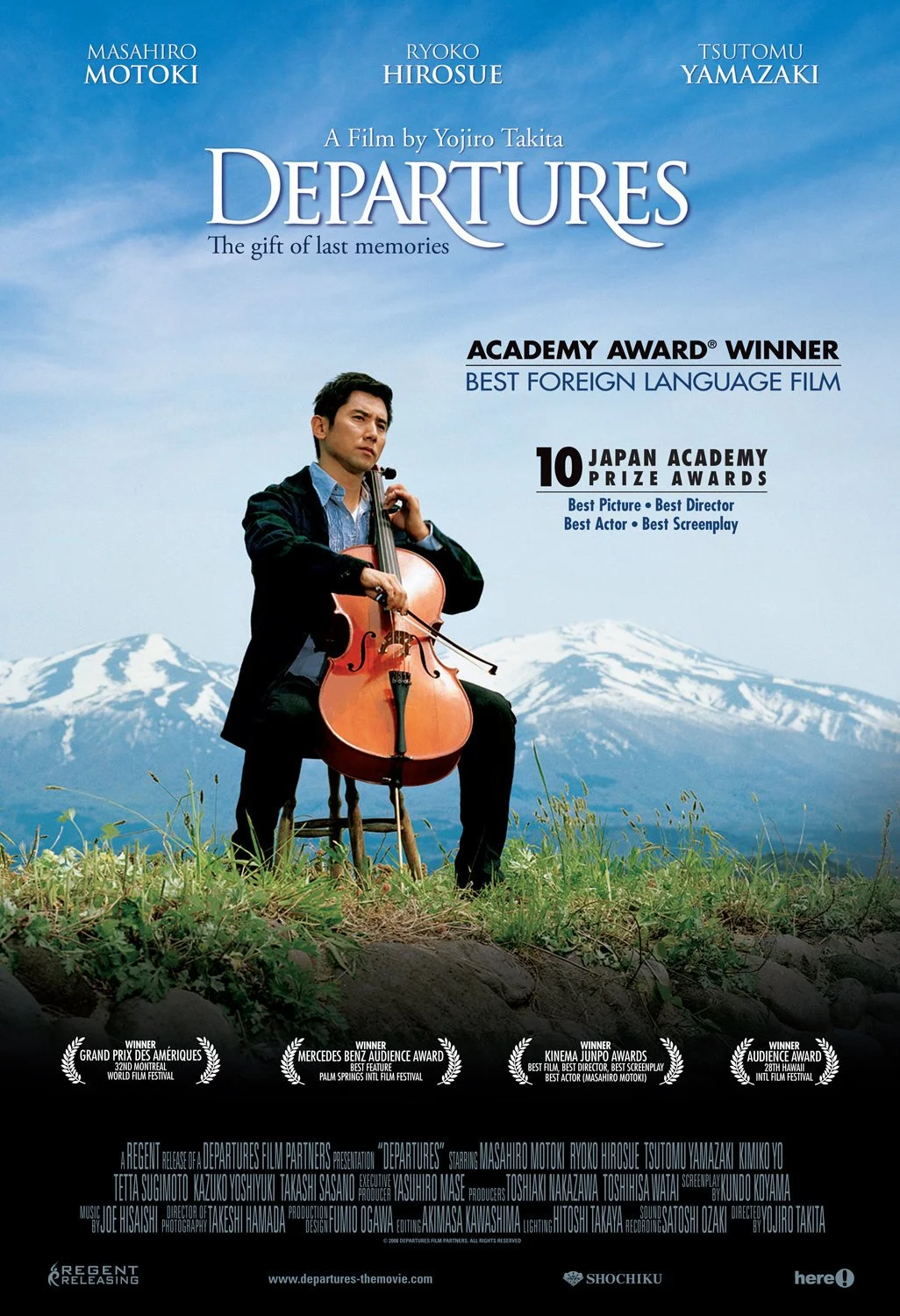
I love this film, it is beautiful and humorous. It explores the rituals associated with death in Japan. It’s a great film to use in teaching to explore different cultural practices in end of life care.

-
All Hardy’s novels explore the joy, pain and uncertainty of life and the knowledge that whatever your status in life death is the only certainty.
-
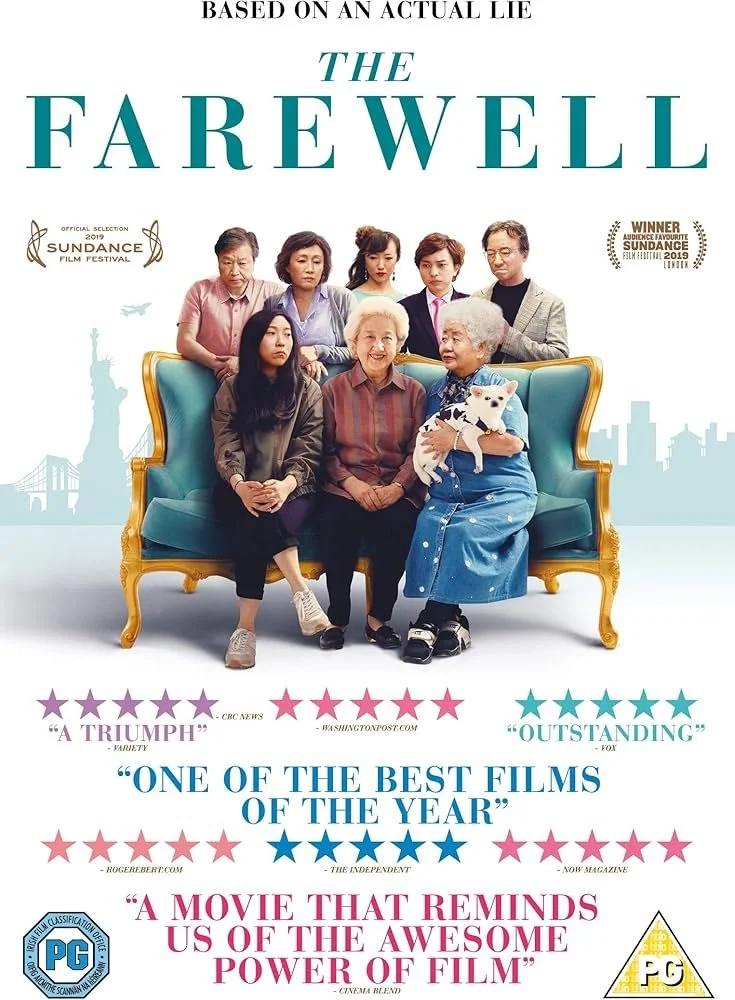
A lovely exploration of different cultural beliefs about serious illness and the rights of a patient to know what is wrong with them and their prognosis.
-
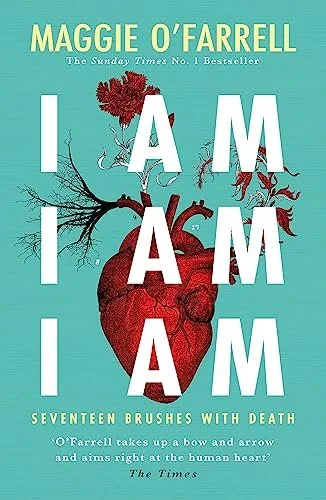
Most of Maggie O’Farrells novels explore death in some way. This is a collection of linked short stories describing the numerous near death experiences of the author and her close family. the most poignant is the final chapter which describes her daughter’s daily challenge to stay a live with a life-threatening immunological condition.
prompt Now it’s your turn…
Think about the resources on this page, has anything made you think differently about how you provide care for those who are dying?
Do you ever think about your won mortality? What is your biggest fear?
page created 2021 updated February 2026